
Basics of Civil Engineering Ethics Professional Responsibility Safety and Sustainable Practice
- Anjali Regmi
- Apr 6
- 2 min read

Introduction to Engineering Ethics
Civil engineering ethics refers to the moral principles and professional standards that guide engineers in their work. Engineers are responsible for designing and constructing structures that are safe, reliable, and beneficial to society.
For students and freshers, understanding ethics is as important as technical knowledge because it defines professional integrity.
Importance of Ethics in Civil Engineering
Engineering decisions directly impact public safety and the environment.
Unethical practices can lead to structural failures, financial losses, and environmental damage.
Ethics ensures that engineers act responsibly and maintain trust.
Core Principles of Engineering Ethics
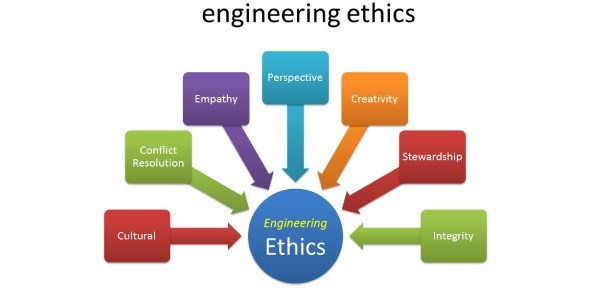
Key principles include honesty, integrity, accountability, and fairness.
Engineers must prioritize public safety over personal or financial gain.
Transparency in decision making is essential.
Professional Responsibility of Engineers
Engineers are responsible for ensuring that their designs and work meet safety standards.
They must follow codes, regulations, and best practices.
They are also accountable for the impact of their work on society.
Safety and Ethical Practice
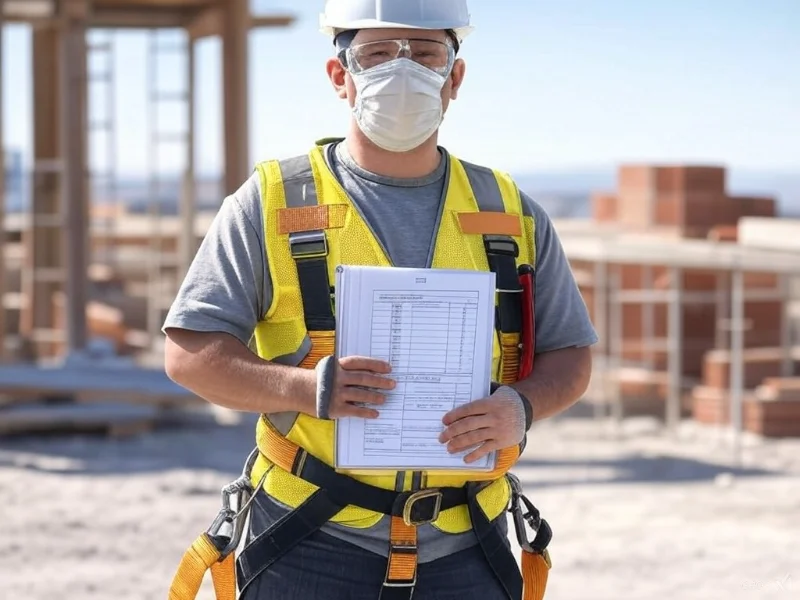
Safety is a major ethical responsibility in civil engineering.
Engineers must ensure that all safety measures are followed on site.
Ignoring safety for cost or time savings is unethical.
Environmental Responsibility
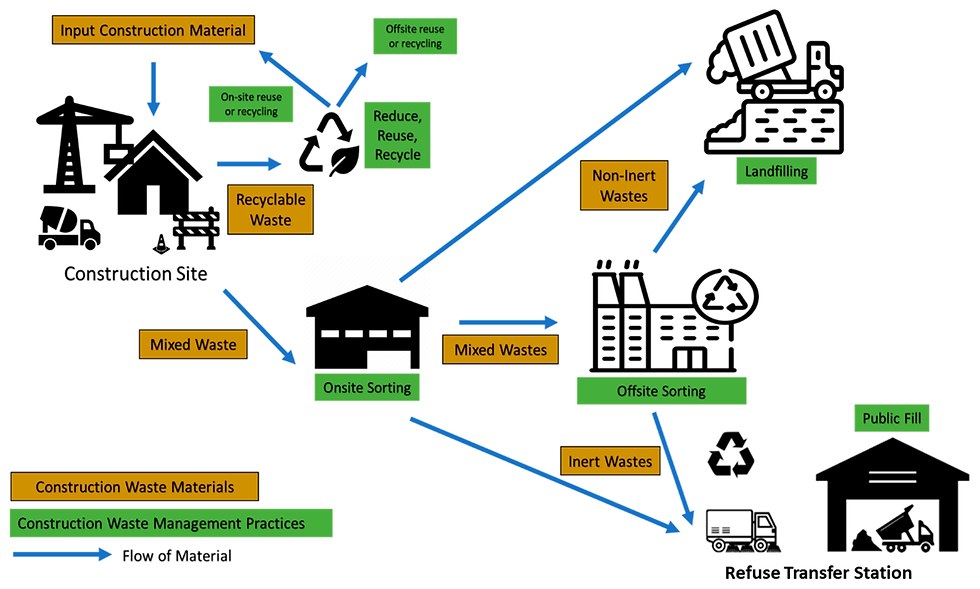
Engineers must consider the environmental impact of their projects.
Sustainable practices help in conserving resources and reducing pollution.
Ethical engineering includes protecting the environment.
Ethical Issues in Construction
Common ethical issues include use of substandard materials, corruption, and negligence.
Engineers must avoid such practices and uphold professional standards.
Ethical behavior ensures long term success.
Role of Codes and Standards
Professional codes of ethics provide guidelines for engineers.
These codes define acceptable practices and responsibilities.
Engineers must adhere to these standards.
Decision Making in Ethical Situations
Engineers often face situations where they must make difficult decisions.
They must evaluate risks, consequences, and ethical implications.
Making the right decision requires integrity and judgment.
Challenges in Maintaining Ethics
Engineers may face pressure from clients, contractors, or deadlines.
Maintaining ethical standards in such situations can be challenging.
Strong values help in overcoming these challenges.
Integration of Ethics with Engineering Practice
Ethics must be integrated into all aspects of engineering practice.
Engineers must apply ethical principles in design, construction, and management.
Skills Required for Ethical Engineering
Engineers need integrity, responsibility, and strong decision making skills.
Communication and leadership are also important.
Ethical awareness helps in professional growth.
Conclusion
Civil engineering ethics is essential for ensuring safety, quality, and sustainability in construction.
For students and freshers, understanding ethical principles and responsibilities is crucial.
By maintaining integrity and professionalism, engineers can contribute to society and build a successful career.


Comments