
Basics of Building Services Electrical Plumbing Fire and HVAC Integration in Construction
- Anjali Regmi
- Apr 5
- 2 min read

Introduction to Building Services
Building services refer to the systems that make a building functional, safe, and comfortable. These include electrical systems, plumbing, fire safety, and HVAC systems.
In civil engineering, building services are often grouped under MEP which stands for Mechanical Electrical and Plumbing.
For students and freshers, understanding MEP integration is essential for modern construction projects.
Importance of Building Services
Building services ensure that a structure is usable and comfortable for occupants.
They provide essential facilities such as lighting, water supply, air conditioning, and fire protection.
Proper planning of these services improves efficiency and safety.
Electrical Systems in Buildings

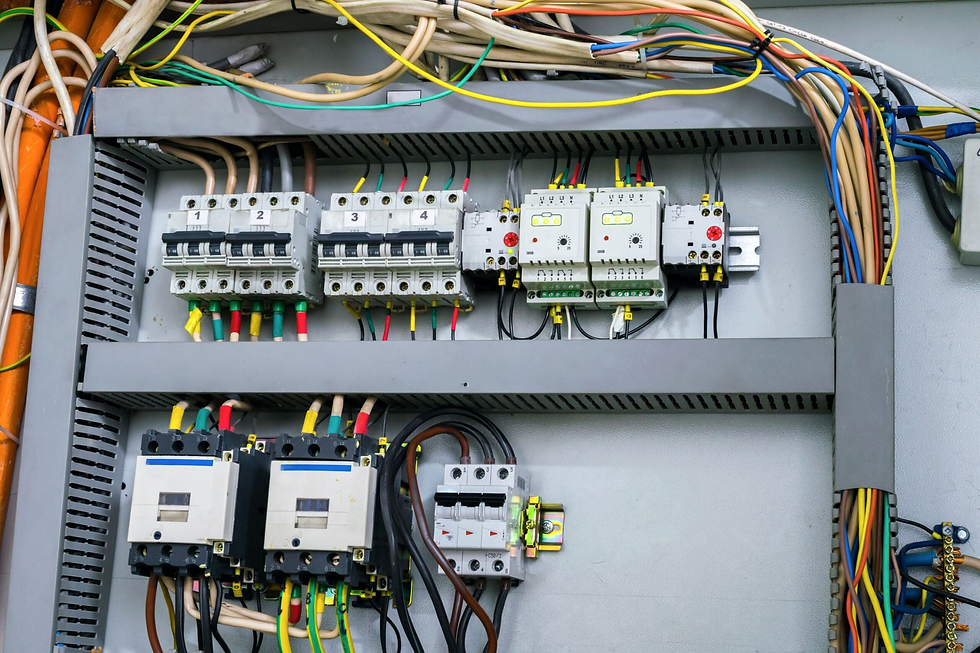
Electrical systems include power supply, lighting, and distribution systems.
Wiring is installed through conduits and connected to distribution boards.
Proper design ensures safety and efficient energy use.
Plumbing Systems Integration
Plumbing systems provide water supply and drainage facilities.
They include pipelines, fixtures, and drainage systems.
Proper integration ensures smooth functioning without leakage or blockage.

Fire Protection Systems
Fire protection systems include alarms, sprinklers, and hydrants.
These systems help in detecting and controlling fire.
Engineers must ensure compliance with safety standards.
HVAC System Integration
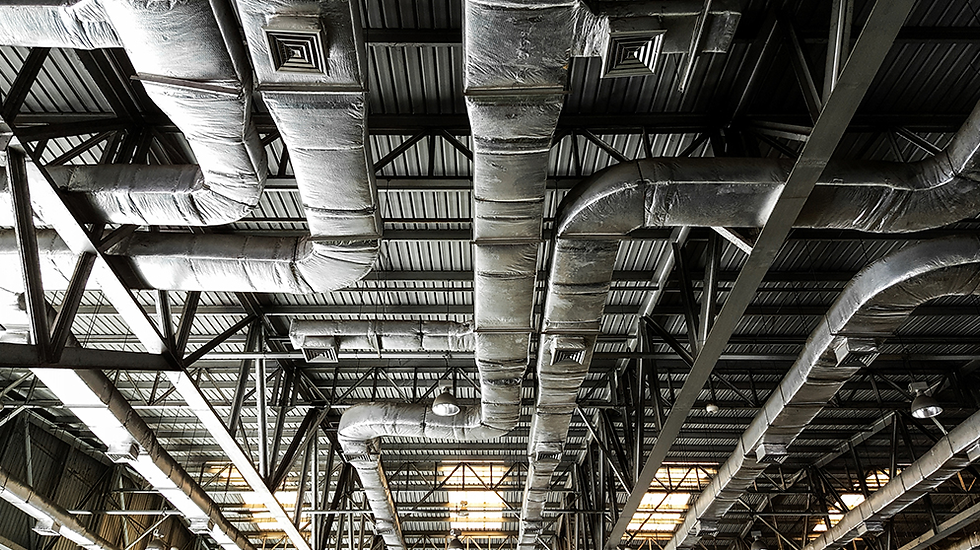
HVAC systems control temperature, humidity, and air quality.
They include ducts, chillers, and ventilation systems.
Proper integration with other services is necessary for efficiency.
Coordination of MEP Services
MEP services must be coordinated to avoid clashes and conflicts.
Proper planning ensures that all systems fit within available space.
Coordination improves efficiency and reduces rework.
Role of BIM in MEP Coordination
BIM is widely used for coordinating building services.
It helps in detecting clashes between different systems.
Digital models improve planning and execution.
Installation and Testing of Services
Installation must be done carefully to ensure proper functioning.
Testing is carried out to check performance and safety.
Engineers must supervise installation and testing.
Challenges in Building Services
Challenges include limited space, coordination issues, and high installation cost.
Engineers must plan efficiently to overcome these challenges.
Integration of Theory and Field Practice
Building services combine theoretical design with practical installation.
Engineers must ensure that systems are implemented correctly on site.
Skills Required for MEP Engineers
Engineers need knowledge of multiple systems and coordination skills.
Problem solving and planning abilities are essential.
Attention to detail ensures proper integration.
Conclusion
Building services are essential for the functionality and comfort of modern buildings.
For students and freshers, understanding electrical, plumbing, fire, and HVAC systems is crucial.
By combining technical knowledge with coordination skills, engineers can ensure efficient and reliable building services integration.


Comments