
Basics of Bridge Engineering Types Components Design Concepts and Construction Methods
- Anjali Regmi
- Mar 26
- 2 min read

Introduction to Bridge Engineering
Bridge engineering is a specialized branch of civil engineering that focuses on the design, analysis, and construction of bridges. Bridges are critical infrastructure elements that connect regions, reduce travel time, and support economic development.
For students and freshers, this topic combines structural design concepts with real world construction practices.
Types of Bridges in Civil Engineering

Bridges are classified based on their structural system.
Beam bridges are the simplest type and are used for short spans.
Arch bridges transfer loads through curved structures.
Suspension bridges use cables and towers to support long spans.
Cable stayed bridges are modern structures with cables directly connected to towers.
Understanding these types helps engineers choose the right design.
Components of a Bridge
A bridge consists of several components including deck, piers, abutments, and foundations.
The deck carries traffic loads. Piers and abutments support the structure. Foundations transfer loads to the ground.
Each component must be designed carefully to ensure overall stability.
Loads Acting on Bridges

Bridges are subjected to various loads.
Dead load includes the weight of the structure itself.
Live load includes vehicles and pedestrians.
Environmental loads such as wind, temperature changes, and earthquakes also affect bridges.
Engineers must consider all these loads during design.
Basic Design Concepts in Bridge Engineering
Bridge design involves analyzing forces, selecting materials, and ensuring safety.
Concepts such as bending, shear, and deflection are critical in design.
Engineers use safety factors and design codes to ensure reliability.
In practice, design must also consider site conditions and construction feasibility.
Materials Used in Bridge Construction
Bridges are constructed using materials such as steel, concrete, and composite materials.
Steel is used for long span bridges due to its strength.
Concrete is widely used for durability and cost effectiveness.
Prestressed concrete is used to handle higher loads and spans.
Bridge Construction Methods
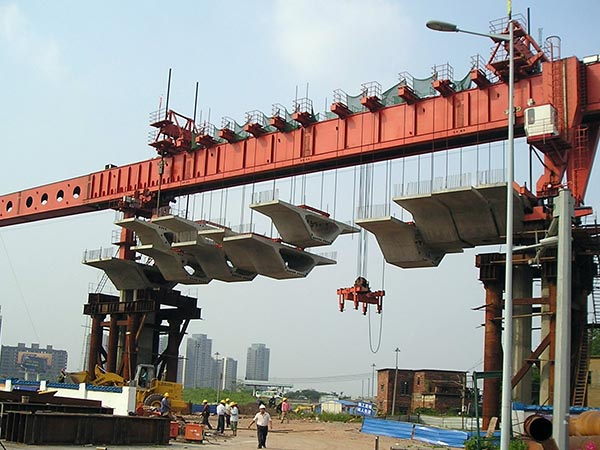
Various construction methods are used depending on the type of bridge.
These include conventional methods using scaffolding, cantilever construction, and incremental launching.
Modern techniques improve efficiency and reduce construction time.
Engineers must select appropriate methods based on project requirements.
Inspection and Maintenance of Bridges
Regular inspection is essential to ensure safety and longevity of bridges.
Engineers check for cracks, corrosion, and structural damage.
Maintenance activities include repairs and strengthening to extend service life.
Challenges in Bridge Engineering
Bridge projects face challenges such as complex design requirements, environmental conditions, and high costs.
For example, constructing bridges over rivers requires careful planning and specialized techniques.
Engineers must overcome these challenges through innovation and proper planning.
Integration of Theory and Field Practice
Bridge engineering combines theoretical analysis with practical construction techniques.
Concepts learned in classrooms are applied in design and execution.
Engineers must ensure that designs are implemented correctly on site.
Skills Required for Bridge Engineers
Engineers need strong analytical skills to design safe structures.
Knowledge of materials and construction methods is essential.
Problem solving and decision making skills help in handling complex projects.
Conclusion
Bridge engineering is a vital field that supports transportation and connectivity.
For students and freshers, understanding bridge types, design concepts, and construction methods is essential.
By combining theoretical knowledge with practical experience, engineers can design and build safe and efficient bridges.


Comments