
Basics of Advanced Construction Techniques 3D Printing Robotics and Future Trends in Civil Engineering
- Anjali Regmi
- Mar 30
- 2 min read

Introduction to Advanced Construction Techniques
The construction industry is rapidly evolving with the adoption of advanced technologies. Traditional methods are being replaced or enhanced by automation, digital tools, and innovative construction techniques.
For students and freshers, understanding these advancements is essential to stay relevant in the future of civil engineering.
Concept of Modern Construction Technology
Modern construction technology focuses on improving efficiency, reducing costs, and enhancing quality.
It includes the use of automation, digital modeling, and smart equipment.
These technologies help in faster and more accurate project execution.
3D Printing in Construction
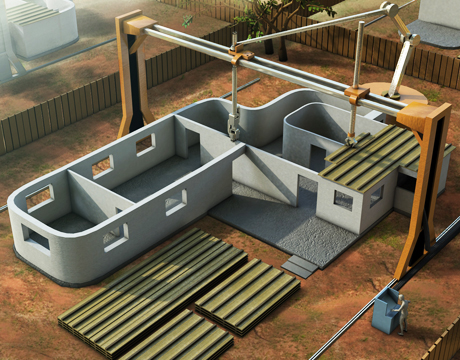
3D printing is an emerging technology that allows construction of structures layer by layer using concrete or other materials.
It reduces material wastage and construction time.
This technology is particularly useful for rapid construction and complex designs.
Robotics in Construction
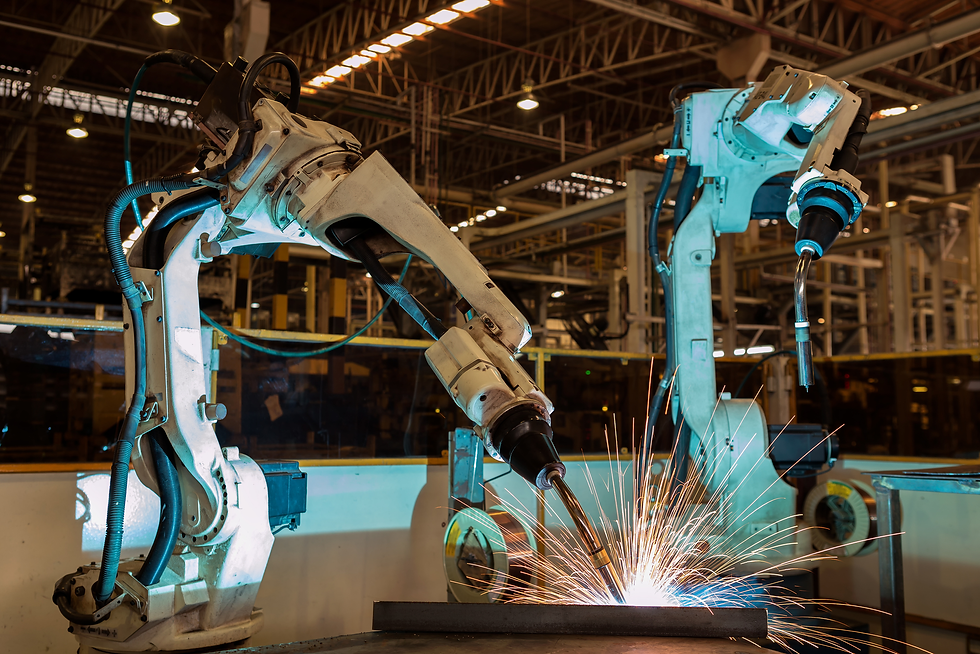
Robotics is being used to automate tasks such as bricklaying, welding, and material handling.
Robots improve accuracy and reduce labor dependency.
They also enhance safety by performing hazardous tasks.
Use of Drones and Automation
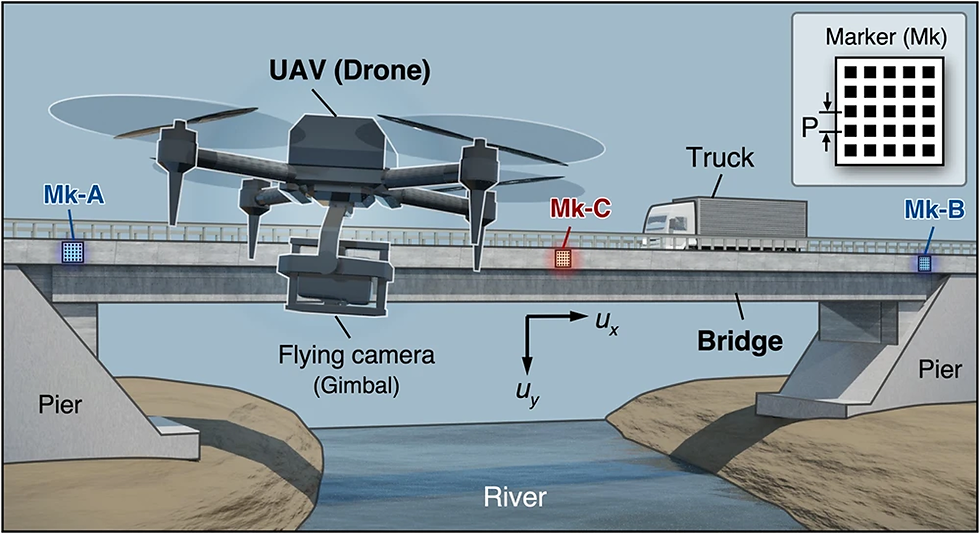
Drones are widely used for surveying, monitoring, and inspection.
They provide real time data and improve project tracking.
Automation helps in efficient management of construction activities.
Artificial Intelligence in Civil Engineering
Artificial Intelligence is used for data analysis, risk prediction, and project optimization.
It helps in improving decision making and reducing errors.
AI systems can analyze large amounts of data quickly and accurately.
Smart Construction and Digital Twins

Digital twins are virtual models of physical structures.
They allow engineers to simulate and monitor projects in real time.
Smart construction uses sensors and data to improve efficiency and safety.
Advantages of Advanced Construction Techniques
These technologies offer several advantages such as faster construction, improved quality, and reduced waste.
They also enhance safety and enable better project management.
Challenges in Adopting New Technologies
Despite their benefits, advanced technologies face challenges such as high initial cost and lack of skilled professionals.
Resistance to change and limited awareness can also slow adoption.
Integration of Theory and Field Practice
Advanced construction techniques combine theoretical knowledge with modern tools and technologies.
Engineers must adapt to these innovations to remain competitive.
Skills Required for Future Civil Engineers
Engineers need knowledge of digital tools, automation, and data analysis.
Continuous learning and adaptability are essential for success.
Problem solving and technical skills remain important.
Future Trends in Civil Engineering
The future of civil engineering will be driven by innovation, sustainability, and technology.
Smart cities, green construction, and automation will shape the industry.
Engineers who embrace these trends will have better opportunities.
Conclusion
Advanced construction techniques are transforming the civil engineering industry.
For students and freshers, understanding technologies like 3D printing, robotics, and AI is essential for future growth.
By combining traditional knowledge with modern innovations, engineers can contribute to efficient and sustainable construction.


Comments