
Bar Bending & Steel Congestion Problems in RCC Structures: Why Reinforcement Execution Fails on Site
- Anjali Regmi
- Mar 3
- 3 min read

In reinforced cement concrete (RCC) construction, steel reinforcement is the backbone of structural strength. While structural drawings may be perfectly designed, real site execution often struggles with reinforcement congestion, improper bar placement, incorrect lapping, and bending errors. These problems lead to honeycombing, weak compaction, reduced durability, and long-term structural performance issues.
Steel reinforcement execution is not just about placing bars inside formwork. It requires technical understanding of load transfer, spacing requirements, cover maintenance, and practical constructability. Many fresh civil engineers underestimate the complexity of reinforcement work until they face real site challenges such as beam-column joint congestion and overlapping bars that prevent proper concrete flow.
What is Reinforcement Congestion in Practical Terms?
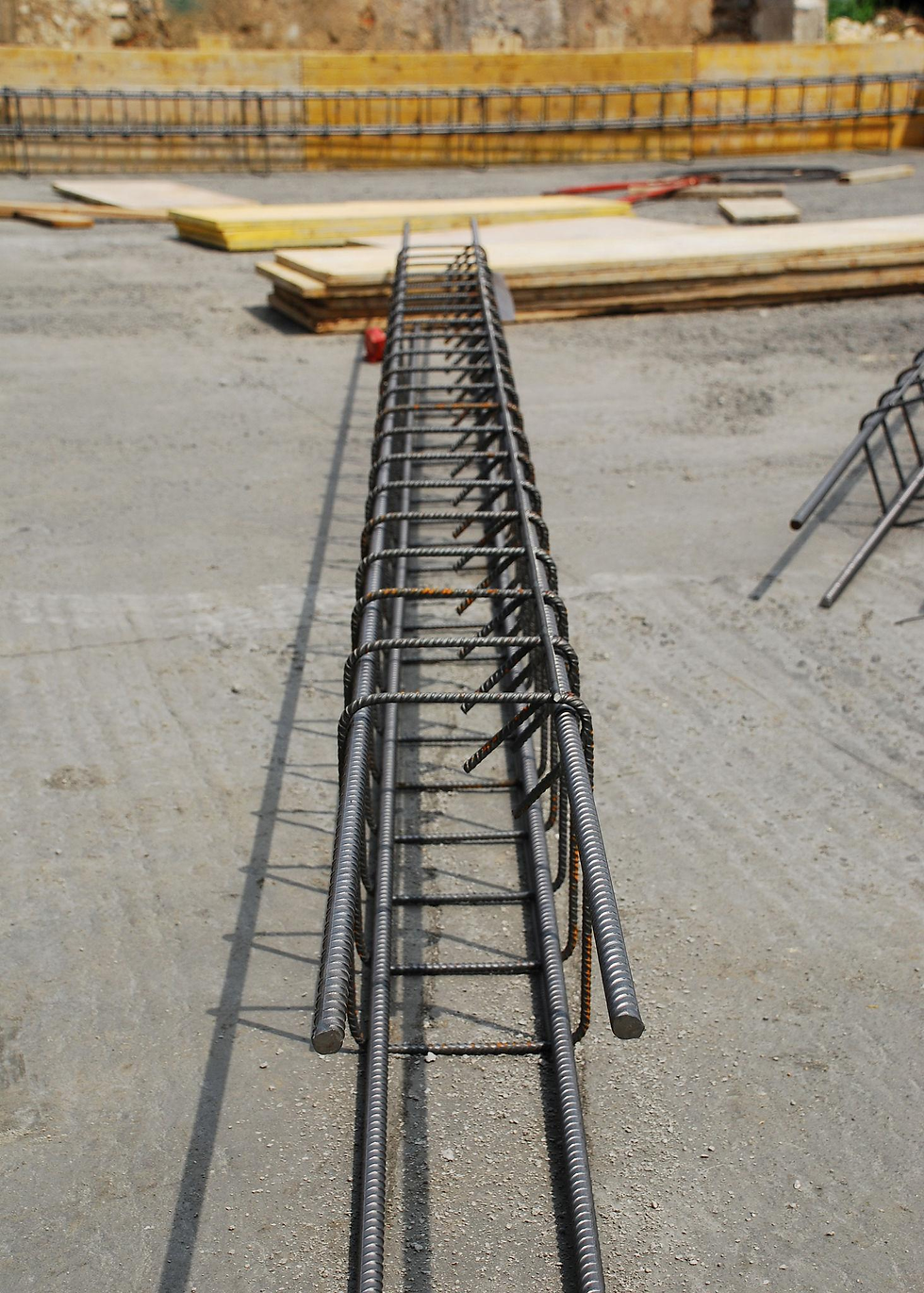
Reinforcement congestion occurs when too many steel bars are placed in a confined structural zone, such as beam-column joints, raft foundations, or heavily loaded footings. When spacing is insufficient:
Concrete cannot flow properly
Vibrators cannot reach all voids
Air pockets remain trapped
Honeycombing occurs
Why Steel Execution Fails on Construction Sites
1. Poor Interpretation of Structural Drawings
Misreading bar spacing, lap lengths, or anchorage details leads to improper placement. Fresh engineers sometimes follow drawing dimensions blindly without considering constructability issues.
2. Incorrect Bar Bending Schedule (BBS) Preparation
Errors in cutting length, bend allowance, or hook details result in reinforcement mismatch and congestion at joints.
3. Lack of Coordination Between Design and Site Teams
Structural drawings may not account for real execution constraints, leading to impractical reinforcement density.
Common Reinforcement Execution Problems
Improper Lap Length
Using standard lap lengths without calculation based on bar diameter and concrete grade weakens bonding strength.
Inadequate Concrete Cover
Improper cover block placement leads to corrosion risk and reduced structural durability.
Misalignment of Vertical Bars
Columns with misaligned vertical reinforcement create difficulty during shuttering and structural alignment.
Real Site Causes of Steel Congestion
Overlapping lapped bars at the same location
Use of larger diameter bars instead of more distributed smaller bars
Additional reinforcement added without redesign coordination
Poor planning of beam-column joint detailing
These issues make it difficult to achieve proper concrete compaction.
Structural Consequences of Reinforcement Congestion
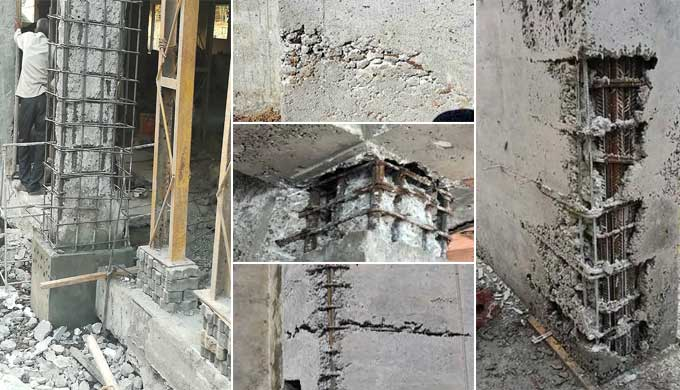
Honeycombing in joints
Weak bonding between steel and concrete
Reduced load transfer efficiency
Cracking under service loads
Long-term durability issues
Reinforcement congestion is one of the major reasons behind structural repair and retrofitting in RCC buildings.
Role of Site Engineers in Preventing Steel Execution Failures
Site engineers must:
Cross-check reinforcement with structural drawings
Verify bar spacing and cover before concreting
Ensure staggered lapping of bars
Avoid overlapping laps at same location
Conduct joint inspections with consultants
Active supervision reduces reinforcement-related defects significantly.
Importance of Constructability Review
Before execution, engineers should review whether reinforcement arrangement allows sufficient space for concrete flow and vibration. If congestion is unavoidable, design consultants must be informed for modification.
Solutions to Reinforcement Congestion Problems
Use of Smaller Diameter Bars
Distributing reinforcement using more smaller-diameter bars can reduce congestion.
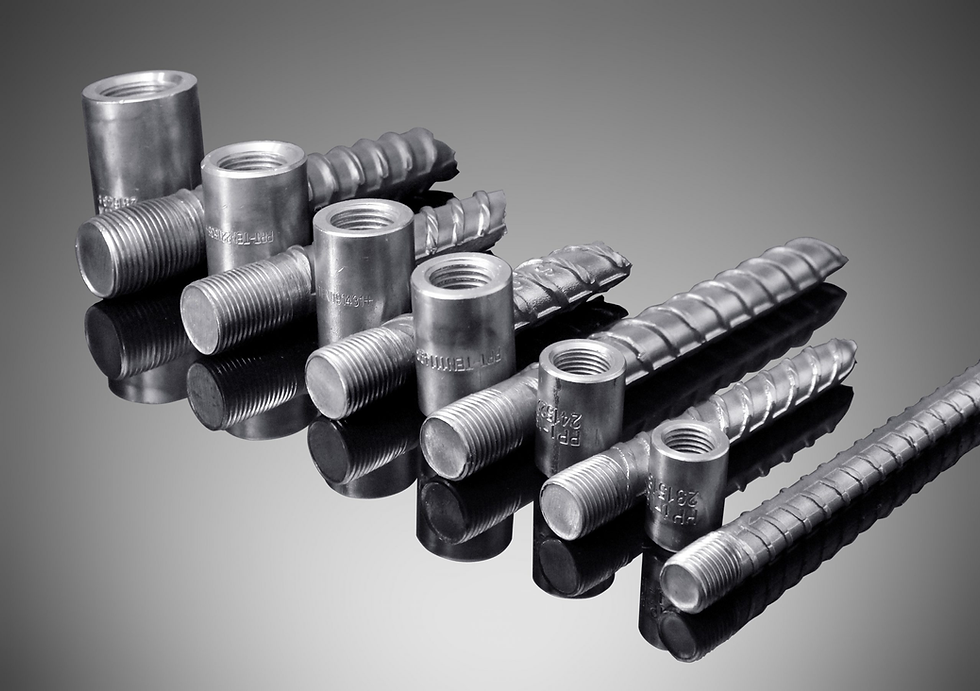
Mechanical Couplers
Instead of overlapping bars, mechanical couplers reduce lap length and congestion at joints.
Proper Staggering of Laps
Laps should not be placed in the same section to avoid excessive steel density.
Quality Control Before Concreting
Before pouring concrete, engineers must ensure:
Proper alignment of bars
Adequate spacing for vibrator insertion
Correct anchorage and hooks
Clean reinforcement free of oil and debris
Skipping reinforcement inspection leads to irreversible defects once concrete is placed.
Impact of Steel Errors on Project Cost and Time
Reinforcement mistakes often require:
Cutting and repositioning bars
Delaying concreting
Demolition in severe cases
Structural retrofitting
These corrective actions increase project costs and delay completion.
Modern Technology Reducing Reinforcement Errors
BIM-based rebar detailing and 3D modeling help detect reinforcement clashes before site execution. However, on-site verification remains essential for practical accuracy.
Conclusion: Steel Discipline Defines RCC Structural Integrity
Reinforcement execution is one of the most technically sensitive aspects of RCC construction. Most structural durability problems originate from steel congestion, improper lapping, and poor supervision rather than incorrect design calculations.
Civil engineers who prioritize reinforcement inspection, understand BBS calculations, and coordinate with design teams ensure better structural performance and durability. In real construction practice, disciplined steel execution reflects technical competence, operational awareness, and professional responsibility — all of which are essential for delivering safe and long-lasting RCC structures.


Comments