
A Complete Roadmap for Civil Engineering Freshers: From Final Year to First Job in 2026
- Anjali Regmi
- Jun 5
- 6 min read

Introduction: Why Most Civil Engineering Graduates Struggle to Get Their First Job
Every year, thousands of civil engineering students graduate with strong academic scores but struggle to secure their first job. The reason is simple: companies today are looking for candidates who can contribute from day one, not just students who have passed examinations.
The construction and infrastructure sector in 2026 is evolving rapidly. Employers expect freshers to understand construction workflows, basic design software, project documentation, safety standards, and site operations before they enter the workforce.

Unfortunately, many students wait until graduation to start preparing. By then, they are already competing against candidates who have completed internships, built portfolios, earned certifications, and gained practical exposure.
The good news is that if you are currently in your final year—or about to enter it—you can create a structured plan that dramatically increases your employability.
This civil engineering fresher career roadmap 2026 provides a month-by-month strategy that takes you from your final academic year to your first professional role.
Why Starting Early Matters
Many students assume that their degree alone is enough.
In reality, recruiters evaluate candidates based on:
Technical knowledge
Software proficiency
Internship experience
Communication skills
Practical understanding of construction
Portfolio quality
Problem-solving ability

A student who begins preparation 12 months before graduation often receives significantly more interview opportunities than someone who starts after exams are over.
Think of your final year as a launchpad—not an ending.
Month 1–2: Assess Your Current Position
The beginning of your final year is the ideal time to evaluate your strengths and weaknesses.
Ask yourself:
Technical Knowledge
Are your fundamentals strong?
Can you explain RCC concepts?
Do you understand surveying principles?
Can you interpret structural drawings?

Software Skills
Have you used AutoCAD?
Can you create basic plans?
Have you worked with Civil 3D, Revit, or STAAD.Pro?
Practical Exposure
Have you visited active construction sites?
Have you completed any internships?
Communication Skills
Can you confidently explain your projects?
Can you participate in technical interviews?
Create a written list of areas that require improvement.
This assessment becomes the foundation of your roadmap.
Month 2–4: Master AutoCAD
AutoCAD remains one of the most requested skills for civil engineering freshers.
Whether you enter:
Structural engineering
Site engineering
Infrastructure projects
Consultancy firms
AutoCAD knowledge is considered a basic requirement.

What to Learn
Drawing Fundamentals
Learn:
Layers
Dimensions
Annotation
Scaling
Layouts
Civil Engineering Drawings
Practice:
Floor plans
Elevations
Sections
Foundation layouts
Drainage plans
Real Project Practice
Don't stop at tutorials.
Download sample drawings and recreate them independently.
Employers value practical competency more than certificates.
Month 3–5: Learn Civil 3D Basics
Infrastructure projects increasingly use Civil 3D.
Students interested in:
Roads
Highways
Railways
Land development
Site grading
should learn Civil 3D.
Focus Areas
Surface Creation
Understand how terrain models are generated.
Alignment Design
Learn road centerline creation.
Profiles
Practice profile generation and grading.
Corridor Modeling
Gain introductory knowledge of road design workflows.
Even beginner-level understanding can help distinguish your resume from other freshers.
Month 4–6: Start Learning Revit
The construction industry is rapidly adopting BIM (Building Information Modeling).
Knowledge of Revit is becoming increasingly valuable.
Why Revit Matters
Traditional CAD focuses on drawings.
Revit focuses on intelligent building models.
Companies involved in:
Commercial buildings
Residential projects
Industrial facilities
BIM consultancy
actively seek Revit-trained candidates.

Learn These Basics
Architectural Modeling
Create walls, floors, roofs, and rooms.
Structural Components
Model:
Columns
Beams
Foundations
Slabs
Documentation
Generate:
Sections
Elevations
Schedules
Month 5–7: Learn STAAD.Pro Fundamentals
Students interested in structural engineering should learn basic STAAD.Pro.
You don't need advanced expertise as a fresher.
However, understanding the workflow provides a strong advantage.
Topics to Cover
Structural Modeling
Beam models
Frame structures
Trusses
Load Definitions
Learn:
Dead loads
Live loads
Wind loads
Analysis
Understand how software calculates forces and reactions.

Design Reports
Generate and interpret output reports.
Recruiters frequently ask basic STAAD.Pro questions during structural engineering interviews.
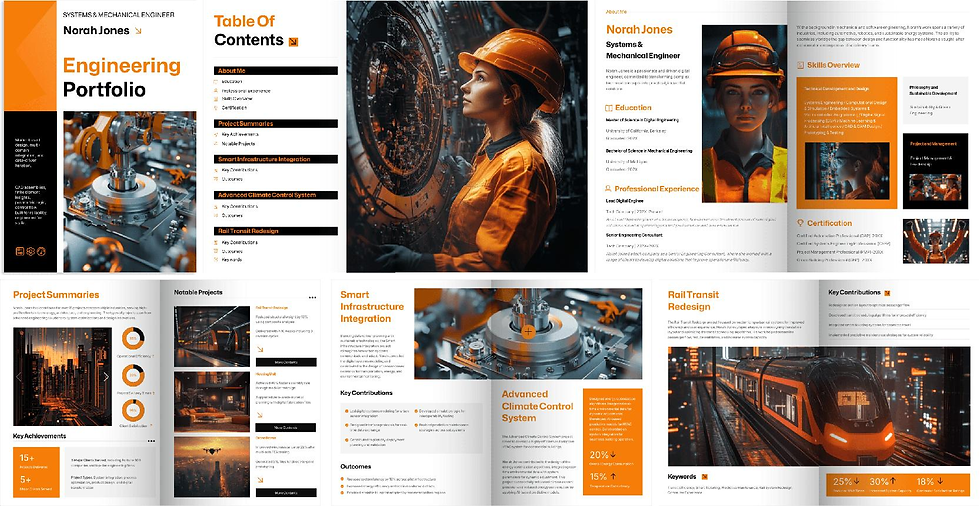
Month 6–8: Build a Strong Engineering Portfolio
One of the biggest mistakes students make is not documenting their work.
Your portfolio demonstrates what you can actually do.
What to Include
Academic Projects
Document:
Objectives
Methodology
Drawings
Results
Site Visits
Include:
Photos
Observations
Learning outcomes
Software Work
Add screenshots and sample outputs from:
AutoCAD
Revit
Civil 3D
Mini Projects
Examples:
Small building design
Pavement design
Water supply layout
Structural analysis exercise
Portfolio Format
Use:
PDF portfolio
Google Drive folder
LinkedIn project section
Keep everything organized and professional.
A portfolio often creates stronger impressions than a resume alone.
Month 7–8: Secure an Internship
Practical exposure is one of the most important elements of the civil engineering fresher career roadmap 2026.
Where to Apply
Consider:
Construction companies
Consultants
Contractors
Infrastructure firms
Government project offices
What to Learn During Internship
Site Activities
Observe:
Excavation
Reinforcement placement
Concreting
Formwork installation
Documentation
Understand:
BOQs
DPRs
Site reports
Measurement books
Safety Procedures
Learn:
PPE requirements
Site hazards
Toolbox talks
Project Coordination
Observe interactions among:
Architects
Engineers
Contractors
Clients
The goal is learning—not merely obtaining a certificate.
Month 8–9: Create a Professional Resume
Your resume should be concise and achievement-focused.

Sections to Include
Contact Information
Name
Phone
Email
LinkedIn profile
Career Objective
Keep it short and relevant.
Education
Include:
Degree
University
CGPA
Technical Skills
Mention:
AutoCAD
Civil 3D
Revit
MS Excel
Projects
Highlight major achievements.
Internship Experience
Focus on responsibilities and learning outcomes.
Certifications
List completed courses.
Month 9–10: Build Your LinkedIn Presence
Many recruiters now discover candidates through LinkedIn.
Optimize Your Profile
Professional Photo
Use a clean and professional headshot.
Headline
Example:
"Civil Engineering Student | AutoCAD | Revit | STAAD.Pro | Aspiring Site Engineer"

Project Posts
Share:
Drawings
Site visit experiences
Certification achievements
Networking
Connect with:
Site engineers
Project managers
HR professionals
Alumni
Networking often leads to internship and job referrals.
Month 10–11: Start Interview Preparation
Do not wait for interview calls.
Preparation should begin before applications.
Technical Questions
Review:
RCC
Beam design
Slab design
Reinforcement
Concrete Technology
Mix design
Curing
Workability
Surveying
Leveling
Total station basics
Geotechnical Engineering
Soil classifications
Bearing capacity
Transportation Engineering
Pavement design
Traffic studies
HR Questions
Prepare answers for:
Tell Me About Yourself
Keep it concise and structured.
Why Civil Engineering?
Provide a genuine answer.
Why Should We Hire You?
Connect skills with company needs.
Describe Your Internship Experience
Use practical examples.
Month 11–12: Begin Aggressive Job Applications
Many students apply to only a handful of companies.
This limits opportunities.

Application Strategy
Apply through:
Company websites
LinkedIn
Campus placements
Employee referrals
Job portals
Aim for:
5–10 quality applications weekly
Track everything in a spreadsheet.
Include:
Company name
Position
Application date
Status
Consistency is crucial.
Graduation Period: Continue Skill Development
After graduation, don't stop learning while waiting for offers.
Continue improving:
Software Skills
Advance your proficiency.
Technical Knowledge
Revise engineering fundamentals.
Industry Awareness
Stay informed about:
Infrastructure projects
Smart cities
BIM adoption
Sustainable construction
Recruiters appreciate candidates who remain engaged with the industry.
Common Mistakes Freshers Must Avoid

Waiting Until Graduation
This is the biggest mistake.
Career preparation should start during final year.
Collecting Certificates Without Skills
Certificates alone do not impress recruiters.
Practical competency matters more.
Ignoring Site Exposure
Civil engineering remains heavily field-oriented.
Practical understanding is invaluable.
Weak Communication Skills
Technical knowledge loses value if you cannot explain it clearly.
Practice presenting projects confidently.
Poor Resume Design
Avoid:
Long paragraphs
Irrelevant information
Generic objectives
Keep resumes professional and concise.
Skills Most Employers Will Value in 2026
The industry is changing rapidly.
Employers increasingly seek engineers who combine technical knowledge with digital skills.
Top in-demand competencies include:
AutoCAD
Civil 3D
Revit BIM
STAAD.Pro basics
Quantity estimation
Excel proficiency
Construction documentation
Site supervision
Communication skills
Problem-solving ability
Students who develop these capabilities before graduation gain a significant competitive advantage.
Final Thoughts
The journey from final-year student to employed civil engineer does not happen automatically. It requires planning, consistent effort, and practical skill development.
The most successful graduates in 2026 will not necessarily be those with the highest grades. They will be the students who start early, gain field exposure, build strong portfolios, learn industry software, and prepare systematically for interviews.

If you follow this civil engineering fresher career roadmap 2026, by the time you graduate, you will already possess many of the qualities employers look for in entry-level civil engineers.
Start today, stay consistent, and treat every month of your final year as an investment in your professional future. The earlier you begin, the stronger your first job opportunities will be.


Comments