
20 Real Problems Site Engineers Face on Construction Projects (And How They Handle Them)
- Anjali Regmi
- Mar 14
- 4 min read

Civil engineering students often imagine construction work as a straightforward process where engineers follow drawings and structures are built step by step. However, real construction sites are far more complex. Site engineers deal with unpredictable situations every day, from labor issues and material shortages to design conflicts and weather disruptions.
Unlike textbooks, construction projects rarely proceed exactly as planned. Engineers must continuously adapt, solve problems, and manage multiple challenges simultaneously. Understanding these real-world problems helps young engineers prepare for the realities of working on construction projects.
1. Labor Shortage on Critical Work Days
One of the most common problems on construction sites is labor shortage. Workers may not show up due to festivals, personal issues, or migration between projects.
This can delay important activities such as:
Concrete pouring
Brick masonry work
Reinforcement fixing
Engineers often have to adjust schedules and redistribute available workers to maintain productivity.
2. Delayed Material Delivery
Construction activities depend heavily on timely material delivery. Delays in materials such as cement, steel, or bricks can halt entire sections of the project.
Common causes include:
Supplier delays
Transportation issues
Poor procurement planning
Engineers often coordinate with suppliers and adjust work sequences to minimize delays.
3. Design Conflicts Discovered on Site
Sometimes construction drawings contain errors or conflicts between architectural, structural, and service designs.
Examples include:
Plumbing pipes passing through beams
Electrical conduits interfering with reinforcement
Staircase dimensions conflicting with structural layout

Engineers must communicate with designers to resolve these issues before continuing construction.
4. Poor Workmanship from Labor Teams
Workers may sometimes perform tasks incorrectly due to misunderstanding instructions or lack of skill.
Common problems include:
Improper brick alignment
Incorrect reinforcement spacing
Uneven plaster surfaces
Site engineers must inspect work frequently to maintain construction quality.
5. Weather Disruptions
Weather conditions can significantly affect construction activities.
For example:
Heavy rain can stop excavation or concrete work
Extreme heat can affect concrete curing
Strong winds can halt crane operations
Engineers must adjust schedules and take preventive measures to protect ongoing work.
6. Equipment Breakdowns
Construction machinery such as cranes, mixers, and excavators are critical for project execution. When equipment breaks down, work may stop until repairs are completed.
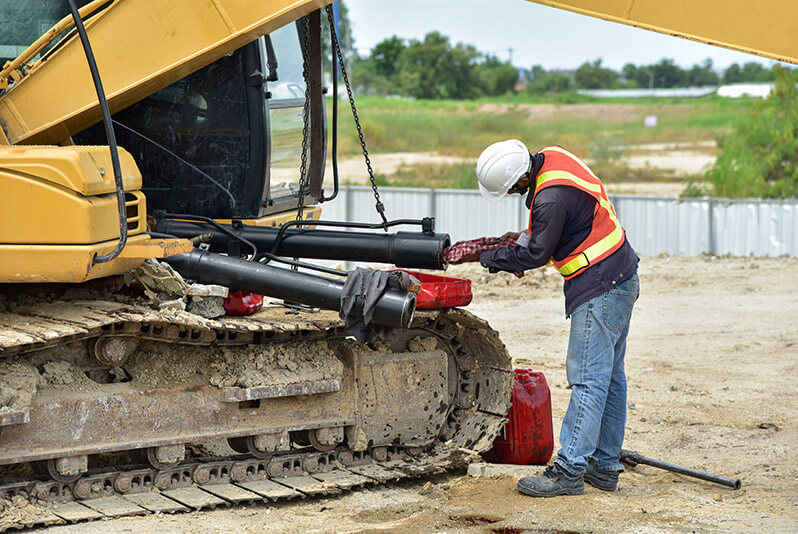
Site engineers often arrange backup equipment or reschedule activities to reduce downtime.
7. Reinforcement Congestion in Structural
Elements
Sometimes reinforcement bars are so closely spaced that it becomes difficult to place concrete properly.
This issue often occurs in:
Beam-column junctions
Shear walls
Foundation areas
Engineers must coordinate with structural designers to adjust reinforcement arrangements when necessary.
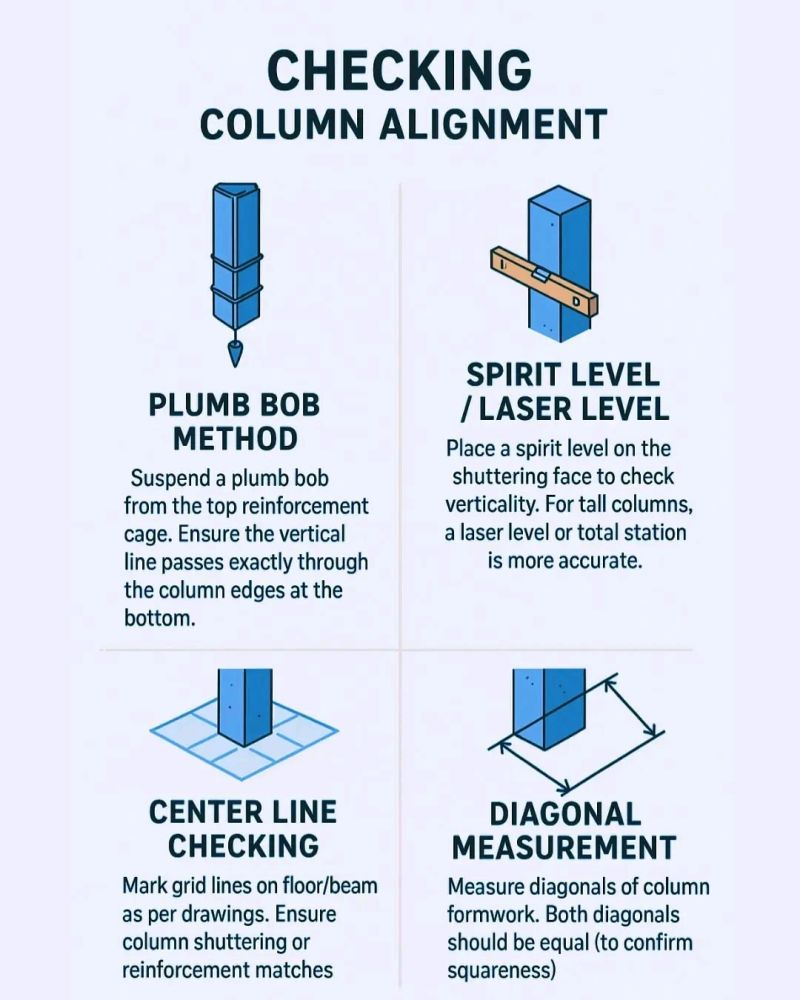
8. Misalignment of Structural Elements
Incorrect column or beam alignment can create serious structural problems.
Common causes include:
Surveying errors
Formwork movement during concreting
Improper layout marking
Early detection helps prevent costly structural corrections.
9. Safety Compliance Issues
Workers sometimes ignore safety rules, especially when deadlines are tight.
Typical safety violations include:
Working without helmets or harnesses
Unsafe scaffolding practices
Ignoring electrical safety precautions
Site engineers must enforce safety regulations strictly to prevent accidents.
10. Poor Communication Between Contractors
Construction projects involve multiple contractors performing specialized work. Lack of coordination between them can cause conflicts.
Examples include:
Electrical installations interfering with structural work
Finishing work starting before structural work is complete
Engineers must act as coordinators between different teams.
11. Inaccurate Quantity Estimation
Material quantities estimated during project planning may differ from actual site requirements.
This can occur due to:
Design changes
Material wastage
Measurement errors
Proper quantity tracking helps prevent material shortages.
12. Pressure from Project Deadlines
Construction projects often operate under strict deadlines. Engineers must balance speed and quality while ensuring safety standards are maintained.
Working under pressure requires strong planning and problem-solving skills.
13. Client Design Changes During Construction
Clients sometimes request design modifications after construction has already started.
These changes may involve:
Layout alterations
Material upgrades
Structural modifications
Such changes often require additional work and delay project timelines.
14. Poor Documentation Practices
Many site engineers underestimate the importance of documentation.
Important records include:
Daily progress reports
Material test results
Work inspection records
Proper documentation helps resolve disputes and track project performance.
15. Concrete Quality Problems
Concrete quality issues may arise due to:
Incorrect mix proportions
Poor compaction
Insufficient curing
Quality control inspections help maintain structural integrity.
16. Worker Disputes and Labor Conflicts
Disagreements between workers, contractors, and supervisors can disrupt construction progress.
Site engineers must often mediate disputes and maintain discipline on the site.
17. Lack of Skilled Labor
Some construction tasks require highly skilled workers such as steel fixers, carpenters, or tile installers. Shortage of skilled labor can affect work quality and project timelines.
18. Managing Multiple Tasks Simultaneously
Site engineers must monitor several activities at the same time, including structural work, material deliveries, safety inspections, and progress reporting.
Strong organizational skills are essential for handling these responsibilities.
19. Unexpected Site Conditions
During excavation or foundation work, engineers may encounter unexpected soil conditions or underground obstacles.
These discoveries often require design adjustments and additional engineering analysis.
20. Learning While Managing Responsibilities
One of the biggest challenges for young engineers is balancing learning with responsibility. Site engineers must continue developing their skills while managing daily construction activities.
Experience gained from real construction projects is invaluable for professional growth.
Conclusion
Construction sites are dynamic environments where engineers must handle technical, managerial, and operational challenges every day. Problems such as labor shortages, material delays, equipment breakdowns, and design conflicts are common in real-world construction projects.
Successful site engineers develop strong problem-solving skills, maintain effective communication with project teams, and continuously monitor construction activities to prevent errors. By learning from these real-world challenges, engineers gain valuable experience that helps them grow into skilled project managers and construction leaders.
In civil engineering practice, experience gained on construction sites is often the most important factor in developing professional expertise and delivering successful projects.


Comments